
In this article, you can discover…
- The key differences between wills and trusts in New Jersey.
- Whether DIY wills are legally valid in New Jersey, and if they pose any legal risks.
- The value of working with a bilingual estate planning attorney on your will or trust.
What Are The Key Differences Between Wills And Trusts In NJ?
Both wills and trusts are important, but a will is a public document that must go through probate to be carried out. A trust is a private document that does not get publicized and doesn’t go through probate.
Trusts function as legal entities that “own” the assets you place in them. The trust then names the beneficiaries of those assets, whether those beneficiaries be your children, a spouse, or a charity.
For this reason, trusts can also be especially useful if you are trying to qualify for Medicaid but have too many assets. The trust can legally “own” the assets instead of you, allowing you to receive long-term care or hospice care that is paid for by Medicaid.
Trusts can also help heirs avoid inheritance taxes, and can be tailored to release money to beneficiaries at certain times, or when they reach certain milestones. In other cases, trusts can be set up for disabled beneficiaries to help pay for their care, housing, and medical expenses while allowing them to still qualify for government benefits.
It’s important to have either a will or a trust. Without at least one, you’re setting your loved ones up for an incredibly complex, emotional, and potentially expensive battle over your assets, legacy, and wishes.
Are DIY Wills Legally Valid—And What Risks Do They Pose?
DIY wills are dangerous for a variety of reasons. For one, because they are not drawn up by an attorney, they can be confusing in how they are worded, creating more problems than they solve. A valid will must also have two witnesses, and those witnesses can not also be beneficiaries or your relatives. Many clients who attempt their own estate planning documents don’t realize this.
You may think a DIY will, a will printed off a website, or a will written by AI will save you money, but the costs to your family as they try to comprehend and execute the document can be immense.
Having your will done correctly, by an attorney, is always the best option. It’s a preventive, smart measure that significantly reduces the chances of misunderstandings, conflicts, or confusion. What’s more, people break up, get divorced, and pass away. Without legal guidance as you write or update your estate plans, you could easily wind up leaving assets to someone you no longer intended to receive them.
How Is Estate Planning Different For Bilingual Families, Blended Families, Or Multi-Generational Homes?
When estate planning, it is crucial to be sure that you understand each document. What it says, what it means, and exactly what will happen when the document’s terms are executed. Google Translate can be helpful if you or a loved one has a language barrier, and a human translator can be helpful, as well.
Blended families can be difficult when family members don’t get along. But ultimately, your choices deserve to be respected, and your wishes should be clearly expressed.
When I help you write out your will or trust, I’ll make sure you understand everything. I won’t use flowery language or legalese. I’ll ask if you’d like me to phrase things in a different way, and I can even draw diagrams or pictures to help you get a sense of a concept. You can take the diagrams home, think about them, and let me know which options work best for you.
Do you want your son to receive more because he took care of you? We’ll do that. Would you like your niece to get your rosary beads and your nephew to get your rifle? We’ll make that happen. What type of funeral plans would you like? However you envision your assets being distributed or your final wishes carried out, I’ll make sure to put that in clear, binding language.
One thing to keep in mind- your estate plans should respect your wishes, not the wishes of your family. No, your nieces, nephews, siblings, children, and grandchildren can not all sit in on our sessions. These are private meetings meant to honor and protect your intentions, and I’m here to make sure that what you want is what is put in writing.
What’s The Value Of Working With A Bilingual Attorney For Estate Documents?
I’m fluent in English, Spanish, and Portuguese, but I can also have an interpreter on hand if you need one. You can also feel free to bring a relative with you to your consultation for translation purposes.
I work with many clients from abroad, and understand how difficult it can be to keep track of assets both in the United States and overseas. Every asset needs to be accounted for, and I’ll help you come up with a comprehensive list of your assets and your properties, no matter where they’re located.
I’ll also be sensitive to your cultural needs. If you have an ancestral home on sacred ground abroad that you want to stay in your family, I’ll be sure we word your estate plans so that it can’t be sold later.
New Jersey’s a wonderfully diverse state, and I’ve had clients from Scotland, Sri Lanka, China, the Dominican Republic, and Nigeria, to name a few. If you’d like to begin writing up your estate plans, or even if you just have questions, come see me. I’ll be happy to answer your questions, help you understand your options, and get the ball rolling on making sure your wishes are respected.
Still Have Questions? Ready To Get Started?
For more information on bilingual estate planning, an initial consultation is your next best step. Get the information and legal answers you are seeking by calling (848) 200-7833 today.
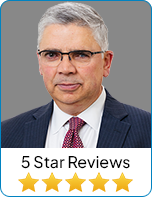
Attorney Arlindo Araujo is a caring, knowledgeable estate planning attorney serving New Jersey. Since 1993, he’s helped clients ensure their assets, both here and abroad, are protected and distributed according to their wishes.
Have questions about bilingual or transnational estate planning? Reach out to AB Araujo Law Group LLC for an initial consultation today.